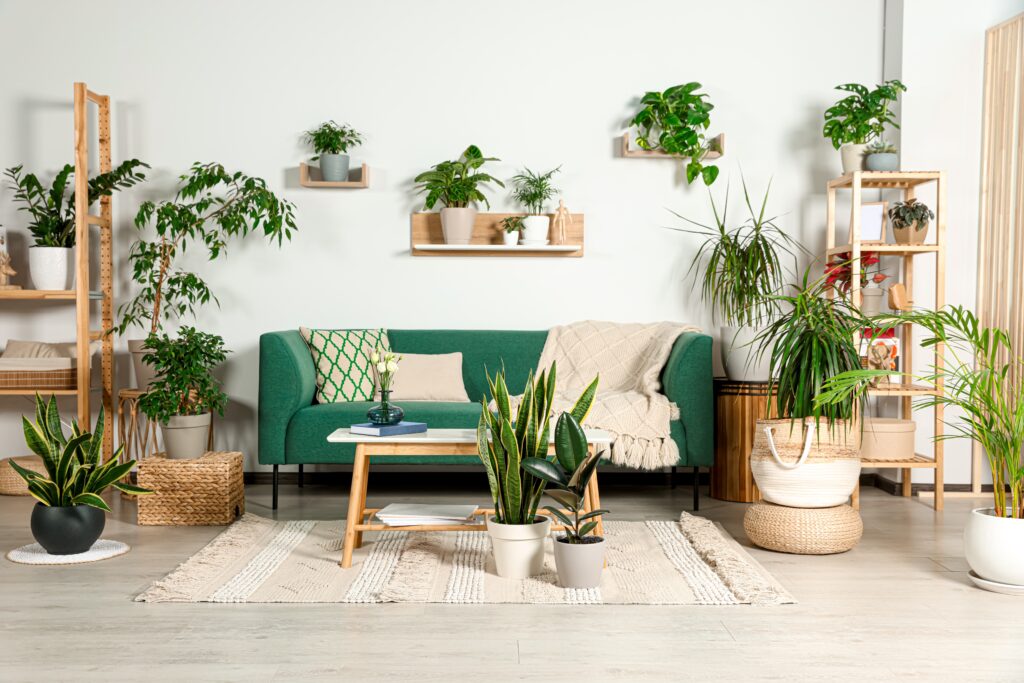
Choose Suitable Plants: Select plants that are suitable for your...
Read More9 Key Factors in Growing Indoor Plants
- Light: Most plants require sufficient light for growth. Understand the light requirements of each plant type and position them in suitable areas. Some thrive in direct sunlight with high brightness, while others do well in low light or medium-light conditions.
- Temperature: Different plant species have varying temperature preferences. Generally, indoor plants thrive at temperatures between 15-24°C (59-75°F). Avoid placing plants near heating or air conditioning systems that can cause rapid temperature changes.
- Humidity: Plants from tropical regions often require higher humidity levels. You can increase humidity by misting leaves periodically, using a humidifier, placing a water tray near the plants, or grouping plants together.
- Watering: Proper watering is crucial for plant health. The frequency and amount of water required depend on the plant type, pot size, and environmental conditions. Avoid overwatering or allowing plants to sit in waterlogged soil. Regularly check soil moisture before watering.
- Soil and Fertilization: Use well-draining potting soil specifically designed for indoor plants. High-quality soil provides appropriate nutrition and drainage. Fertilize as needed, especially with balanced water-soluble fertilizers, following the recommended dosage and frequency.
- Air Circulation: Good air circulation helps prevent stagnant, moist conditions that can lead to mold, fungal growth, and pests. Ensure proper ventilation and avoid overcrowding plants. If necessary, use small fans to enhance air movement.
- Pests and Diseases: Regularly inspect your plants for signs of pest infestations, such as aphids, mealybugs, or spider mites. Take immediate action with organic or chemical pest control methods. Remove dead or diseased leaves to prevent the spread of diseases.
- Pruning and Maintenance: Prune and trim your plants as needed to encourage healthy growth and maintain an appropriate shape. Regularly remove dry or dead leaves or spent flowers to keep plants clean and prevent the buildup of pests and diseases.
- Repotting and Transplanting: Check the root system for any signs of roots protruding from drainage holes or slow growth. These signs indicate it may be time to repot or use larger containers.
Consider these factors, along with the specific requirements of the plants you’re growing, to ensure your indoor plants thrive and stay healthy.
Related Articles
9 Key Factors in Growing Indoor Plants
Light: Most plants require sufficient light for growth. Understand the...
Read More10 Tips for Foliar Feeding with Solu Water Soluble Fertilizers
One of the main advantages of the formulas in our...
Read More